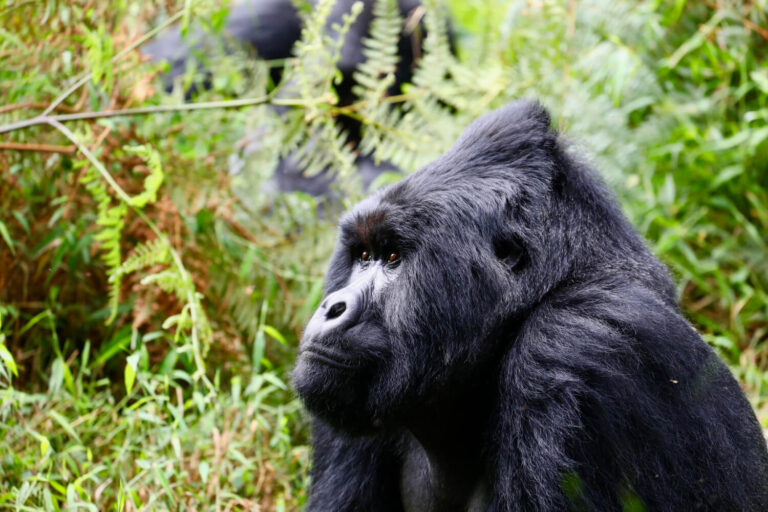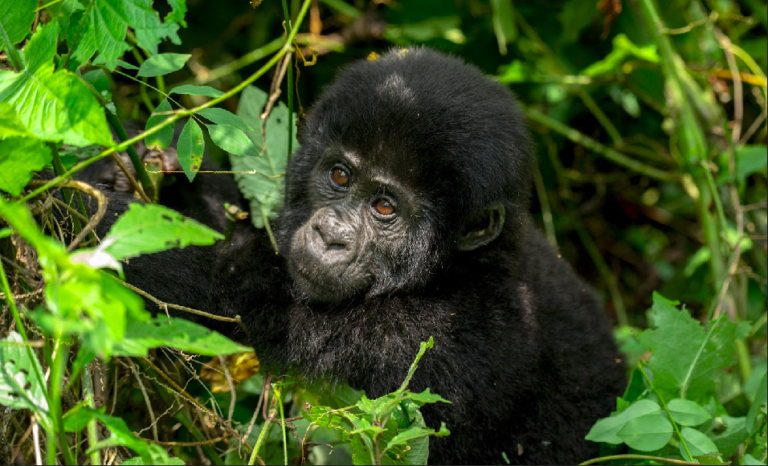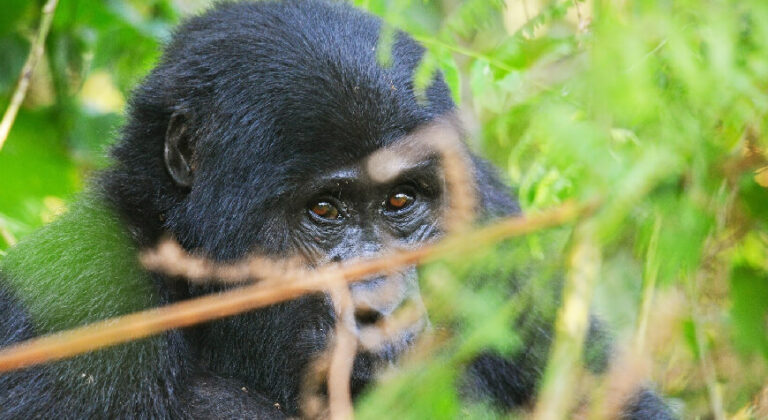
Planning a trip around best time to visit Bwindi starts with choosing a realistic schedule, confirming the Uganda Wildlife Authority trekking arrangements and staying near the correct gate. Bwindi Impenetrable National Park in southwestern Uganda protects mountain gorillas in a steep rainforest landscape. Your experience will be shaped by the location of the gorilla family, forest weather and how well you prepare, rather than by a promised walking distance. This guide explains the decisions worth making before you reserve a permit or lodge.
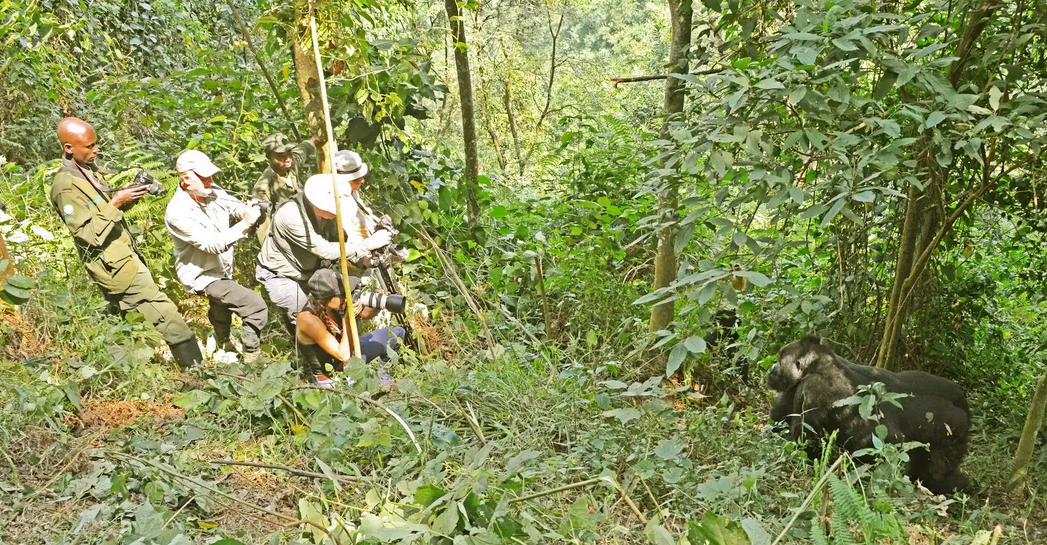
Standard trekking normally involves a ranger-led walk followed by one regulated hour of observing a habituated family. The park has four main sectors: Buhoma, Ruhija, Rushaga and Nkuringo. You should check official conditions and current permit availability before paying, because both rules and prices can change. The practical sections below will help you compare your options and send a useful booking enquiry.
Can You Trek Gorillas in Bwindi All Year?
Gorilla trekking operates through much of the year, subject to park arrangements, weather and permit availability. Bwindi is a rainforest, so there is no month when rain is impossible. The experience depends less on the calendar alone than on current trails, the location of the gorilla family and your readiness for an uphill forest walk. Many travellers favour relatively drier periods because footing can be easier, but dry-season dates can still deliver showers and slippery sections.
When considering travel dates, start with your tolerance for mud, interest in photography, available leave and preferred lodge style. More popular holiday periods can produce higher demand for rooms and permits. Quieter months may feel more flexible, but wet weather can slow driving and trekking. Rather than asking for a guaranteed easy month, think about the conditions you are comfortable with and pack appropriately. A well-planned visit in a wetter period can still provide a rewarding wildlife experience.
Is there a guaranteed dry season inside the forest?
No. Conditions vary with altitude and local weather, so waterproof clothing and suitable footwear belong on every packing list.
June to September: A Popular Trekking Window
June, July, August and September are commonly considered favourable for gorilla trekking because many routes experience relatively drier conditions than during the main rainy periods. This can make the forest walk more manageable, particularly on steep tracks where wet clay and exposed roots become slippery. It does not mean every trek is short or easy. Gorilla families move naturally, and your assigned group may be found near the briefing area or deeper in the forest.
These months also attract international holiday demand. Lodges in popular areas can fill, and particular permit dates may become unavailable. If you are tied to school holidays or a fixed international flight, book early enough to keep sensible choices. It is useful to offer several trekking dates when enquiring. Confirm the sector before selecting accommodation, and remember that July and August mornings in the highlands can feel cool even when the daytime sun is strong.
Is July always the best month?
It is popular, but there is no universal best month. Your schedule, permit availability and comfort with busy travel dates matter too.
December to February: Another Useful Period
December, January and February can suit travellers planning a gorilla safari during Northern Hemisphere winter or over holiday breaks. Parts of this period are often described as relatively drier, though weather remains unpredictable. The festive season can raise demand for certain lodges and vehicles, so Christmas and New Year trips should be planned with particular care. If you are combining Bwindi with another Ugandan park, discuss weather and travel conditions across the entire route.
Early starts are standard regardless of season. Pack a light warm layer for breakfast at higher elevations, followed by clothing that can breathe during uphill walking. Even when the day begins under clear skies, cloud and rain can arrive quickly. A good operator will explain how your lodge, vehicle and ranger briefing are coordinated, instead of basing the itinerary on one weather forecast. The encounter with gorillas remains subject to wildlife movements rather than a seasonal timetable.
Is December suitable for a honeymoon trek?
It can be, provided you book accommodation and permits early and still prepare for changing rainforest weather.
For more preparation advice, read our Bwindi gorilla trekking guide and check your own travel documents against current official requirements.
March to May: Trekking in Wetter Conditions
March, April and May are frequently associated with heavier rainfall in southwestern Uganda, although the exact timing and intensity change from year to year. Wet leaves, muddy slopes and swollen small streams may add time and effort to the walk. The forest can appear particularly lush, with mist moving across the valleys. For photographers, soft cloud cover can be pleasant, but protecting a camera and keeping lenses dry become important practical tasks.
If you travel during wetter months, allow a slower pace and resist scheduling a tight connection after trekking. Choose accommodation near your assigned sector so you do not add an unnecessarily long early drive on difficult roads. Carry spare socks, a rain jacket and a waterproof bag for essentials. A porter may be especially helpful on slippery sections.
Some travellers prefer these months because certain lodges have more room availability, but always verify actual offers rather than assuming a discount.
Are gorillas harder to find in April?
Tracking teams still operate, but walking conditions and family movements vary. No month guarantees a particular trek length or sighting position.
October and November: Rain and Flexible Planning
October and November often form another wetter period around Bwindi. Trail conditions can change quickly, especially after overnight rainfall. Vegetation can be dense, and photographic light may shift between mist and sunshine. If you prefer fewer fixed commitments, these months may suit a flexible itinerary with an extra afternoon to relax. The essential advice is to plan around a full morning of trekking and avoid leaving the region immediately after the walk.
Do not judge a visit only by the rain shown on a monthly forecast chart. Some days will offer good walking weather, while others will be wet. Keep footwear that grips well and clothing that dries efficiently. Ask whether the lodge has facilities to dry boots overnight and if the road to the briefing point is normally served by an appropriate vehicle.
If your dates are fixed, concentrate on preparation and permit confirmation rather than waiting for a perfect forecast.
Does November always have cheap permits?
Discounts or promotional rates depend on current official tariffs and eligibility. Confirm them before budgeting.
Seasonal Permit Demand and Booking Timing
The best trekking season is also influenced by available permits. Each habituated gorilla group can receive only a limited number of visitors, and permits are assigned to specific dates and locations. A particular sector may sell out before another. During school holiday periods or popular travel months, request availability as early as you can. Travellers with flexible dates may have more options, but should still avoid buying non-refundable flights before confirming a workable trekking day.
Your accommodation should follow the permit sector rather than the other way around. Bwindi has Buhoma, Ruhija, Rushaga and Nkuringo, with considerable road distances between some of them. Choosing a lodge because it has a seasonal special can backfire when your available permit requires a different gate. Request the sector name in writing, then ask for a nearby room category. When comparing offers, check the total route and transport rather than only the nightly rate.
How far ahead should you enquire?
As soon as you have a likely travel window, especially for popular holiday dates. Availability is live and cannot be guaranteed from an old article.
When you are ready to discuss dates and room preferences, explore our Bwindi gorilla trekking tours and request an itinerary with clear inclusions.
What to Wear in Every Season
The forest demands practical clothing in all months. Wear sturdy boots with tread, long trousers and a long-sleeved top that protects against vegetation. Bring a waterproof outer layer even when the forecast shows sunshine. A small daypack should hold water, snacks for use away from gorillas, medication and rain protection for electronics. Light gloves can help with rough vegetation, and a walking stick may be available at the ranger station.
Avoid a heavy cotton outfit that stays wet and cold. Dress in layers so you can adjust as you climb, rest and descend. Keep spare dry clothes at your lodge and check your footwear before the travel day. There may be steep sections regardless of season, so reasonable fitness and balance are valuable. If you have a condition affecting your ability to hike, talk to your organiser in advance and follow any advice from your medical professional.
Is expensive hiking equipment essential?
No. Reliable boots, suitable layers and waterproof protection are more useful than purchasing fashionable specialist gear you do not need.
Choosing the Best Dates for Your Own Safari
Begin with your fixed commitments: international flights, public holidays, work leave and whether you want other Uganda activities. A traveller combining Bwindi with a wildlife safari might choose a route based on broader park conditions. Someone mainly interested in gorillas may prioritise sector availability and staying near the briefing point. If you are travelling with people who have different fitness levels, build in rest before and after the trek.
Dates should support the whole group, not only the weather chart.
Ask Bwindi Gorilla Trips to compare a few suitable trekking days, then put together a route that includes the right lodge, realistic transfers and enough time for the forest. No responsible organiser should guarantee sunshine or promise that gorillas will be close to the starting point. You can improve your experience through sensible preparation, early booking and a relaxed schedule.
The best time is the period that suits your goals while leaving room for the natural unpredictability of Bwindi.
What should you include in your enquiry?
Send your travel month, possible dates, number of travellers, starting airport and any other destinations you hope to visit.
Plan Your Bwindi Gorilla Trip
To request a personalised itinerary, send your preferred dates, number of travellers, arrival and departure locations, accommodation preference and any questions about trekking fitness. Ask for confirmation of permit availability and sector before booking non-refundable flights. A clear proposal should identify what is included, what is excluded and which services depend on availability. Good preparation gives you more time to focus on the forest and the wildlife encounter itself.