Planning a trip around 3 day Bwindi gorilla safari starts with choosing a realistic schedule, confirming the Uganda Wildlife Authority trekking arrangements and staying near the correct gate. Bwindi Impenetrable National Park in southwestern Uganda protects mountain gorillas in a steep rainforest landscape. Your experience will be shaped by the location of the gorilla family, forest weather and how well you prepare, rather than by a promised walking distance. This guide explains the decisions worth making before you reserve a permit or lodge.
Standard trekking normally involves a ranger-led walk followed by one regulated hour of observing a habituated family. The park has four main sectors: Buhoma, Ruhija, Rushaga and Nkuringo. You should check official conditions and current permit availability before paying, because both rules and prices can change. The practical sections below will help you compare your options and send a useful booking enquiry.
Is a Three-Day Bwindi Gorilla Safari Long Enough?
A three-day trip works when you can dedicate the middle day to the forest and reserve the first and final days for travel. The important detail is your starting point. A road journey from Entebbe or Kampala is long and may leave you arriving near dinner time, whereas a suitable flight connection or a trip beginning in Kigali can reduce driving.
Avoid promises that every traveller will reach the forest in exactly the same number of hours because road works, weather and border processing change schedules.
The aim is to protect the gorilla trekking day from rushed transfers. You should sleep near the sector printed on your permit, rise early enough for breakfast, and reach the briefing point before the scheduled start. A three-day programme can be comfortable when it is designed around that sector, but it leaves limited room for unexpected delays. If you want extra activities, photography time or a slow pace, consider extending the trip rather than squeezing extra stops into each day.
Who is this short safari best for?
It suits travellers who already have a Uganda itinerary, visitors flying into a nearby airstrip and people who can accept a focused trip with limited sightseeing outside Bwindi.
Day One: Travel to Bwindi and Settle In
Your first day begins with a pickup agreed during booking, followed by a transfer towards southwestern Uganda. If you start from Entebbe, your driver should discuss whether a domestic flight or road journey is more sensible for your budget and arrival time. The road offers changing views of trading centres, hills and farmland, but it is still a travel day rather than a relaxed game drive.
Bring water, a light snack and a charged phone, and ask for a planned stop at a clean facility.
After arriving at the lodge, confirm the exact location of the morning meeting point and the estimated transfer to it. Staff can arrange an early breakfast or packed food, depending on the lodge. Put your permit details, identification, water, rain protection and suitable boots together before bedtime. If the weather is wet, dry your footwear and keep a spare set of socks.
The purpose of day one is straightforward: get you to the correct sector safely and leave you rested for the forest.
Can the first day include sightseeing?
A short stop may fit a road transfer, but long detours should never threaten arrival near your assigned trekking sector before nightfall.
Day Two: Your Gorilla Trekking Experience
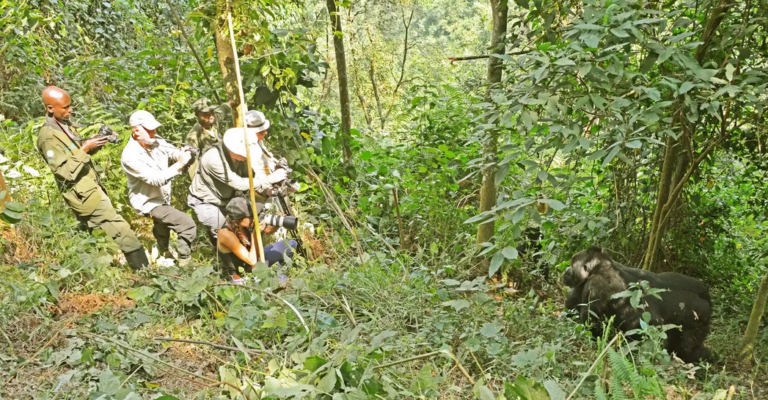
The main experience begins with a briefing from the ranger team. You will learn about the forest, safe movement near wildlife and the instructions to follow when your group approaches the gorillas. Trackers help locate the family, but nobody can know its precise position days in advance. A trek may include steep paths, slippery earth, dense plants and pauses for instructions. Hiring a porter can make the walking more manageable and supports local livelihoods around the park.
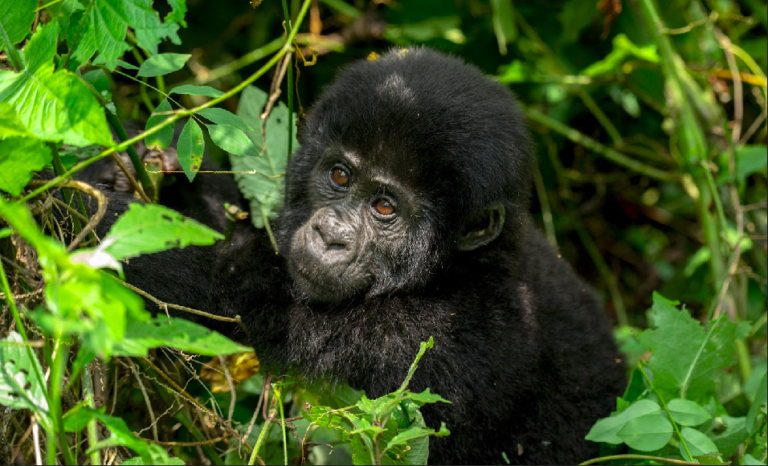
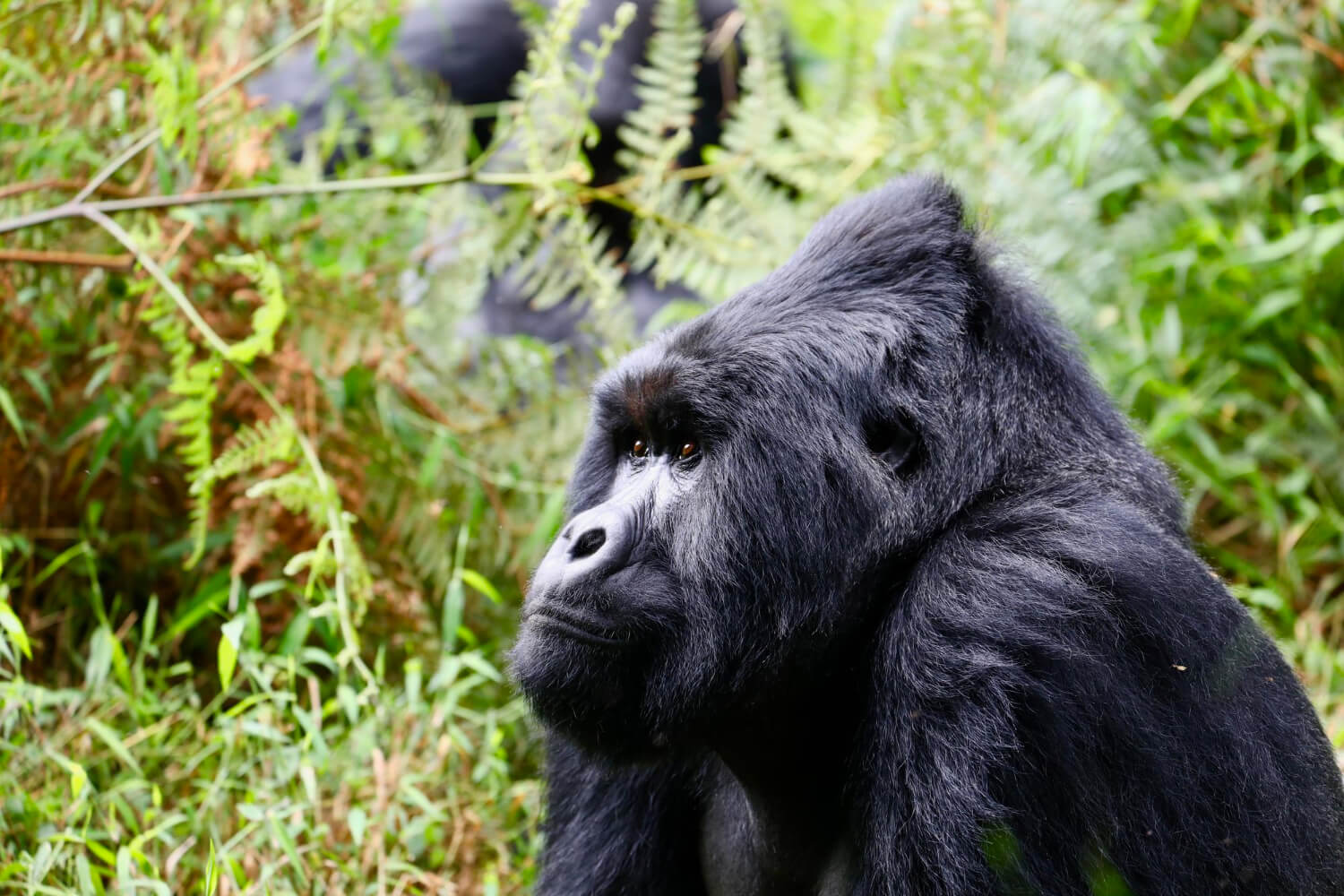
Once the guides judge that your group is ready to approach the gorillas, keep voices low, follow their directions and avoid sudden movement. The standard viewing period is one hour after you reach the family. Watching how infants stay close to their mothers or how a silverback responds to the group can be deeply engaging without trying to get nearer for a photograph. Do not use flash, never offer food and respect the minimum distance required by rangers.
After the visit, the return walk can still require effort.
How difficult will the trek be?
Fitness matters, but the difficulty depends on the family’s location and weather that morning. Tell the organiser about mobility concerns before a permit and lodge are chosen.
For more preparation advice, read our Bwindi gorilla trekking guide and check your own travel documents against current official requirements.
Day Three: Return Journey and Useful Add-Ons
On the last day, enjoy breakfast and check out early enough to meet your onward travel arrangements. A driver can plan the most sensible route to Entebbe, Kampala or a different destination, but you should leave generous margins before any international flight. Road transfers across the country can be tiring after a forest hike. Booking a flight with a tight same-day connection creates unnecessary pressure if rain, road delays or unexpected stops add time.
Travellers with an extra night can add Lake Bunyonyi, Lake Mutanda or a community experience, depending on their sector and available travel time. A longer safari might connect Bwindi with Queen Elizabeth National Park for wildlife drives or with Kibale for chimpanzee tracking. These extensions should be booked as separate activities rather than slipped into a tight three-day promise. Ask the operator to show every overnight stop, each travel leg and which experiences are included in the quotation.
Should you fly home on day three?
It is generally safer to keep a substantial connection buffer or spend an additional night near your departure airport, particularly when travelling by road.
Choose the Correct Bwindi Trekking Sector
Bwindi uses four main visitor sectors: Buhoma, Ruhija, Rushaga and Nkuringo. They are spread around the forest and cannot be treated as interchangeable gates. Your permit identifies where you should report, so a lodge that looks close to the park on a map can still be far from the correct morning briefing centre. Ask for a clear sector confirmation before paying for a non-refundable room.
The route from your airport or preceding safari stop also affects which area is convenient.
Buhoma often suits travellers entering from the northern side and continuing from Queen Elizabeth. Ruhija offers a highland forest setting, while Rushaga and Nkuringo are frequently considered by travellers arriving from the southern approach. These are planning patterns, not guarantees about trek difficulty or gorilla sightings. A family can move, and routes can change. Your organiser should recommend a sector using permit availability, travel direction, lodge preference and your physical comfort rather than claiming one gate is always the easiest.
Does the sector change your permit price?
The ordinary permit category is generally priced consistently across Bwindi sectors, but availability, lodge prices and transfer costs may differ.
What a Three-Day Gorilla Safari Package Should Include
A useful quotation separates fixed wildlife charges from the services that an operator controls. Expect to see the gorilla permit category, two nights of accommodation, meals, vehicle and fuel, professional driver-guide, airport or city pickup if applicable, and transport to the correct trekking briefing point. Check whether drinking water, porter charges, tips and any optional community walks are included.
The clearest proposals state what happens when the requested permit date is unavailable and whether an alternative day can be offered.
You should also know whether the journey is private or shared, which vehicle type is being used and what standard of room has been quoted. A low advertised starting price can be misleading when the permit or a major transfer is excluded. Instead of comparing only the headline total, compare the exact inclusions. Request a written itinerary with clear payment stages and cancellation terms.
It should name the booking operator and explain how your permit reservation will be confirmed.
What do you need to pay first?
Ask the operator for a written payment schedule and confirm that any permit deposit is handled under the stated Uganda Wildlife Authority booking procedures.
When you are ready to discuss dates and room preferences, explore our Bwindi gorilla trekking tours and request an itinerary with clear inclusions.
Packing and Preparing for a Short Gorilla Trek
The right equipment makes a greater difference than carrying an oversized suitcase. Bring sturdy shoes with grip, long trousers, a lightweight long-sleeved shirt, a waterproof layer and a small daypack. Gloves can help when steadying yourself on vegetation, and gaiters may be useful after rain. Pack enough drinking water and any medication you normally need. Your driver can help you keep your overnight luggage at the lodge while you take only the essentials into the forest.
Plan for variable temperatures. A chilly morning at a highland lodge can become warm during an uphill hike and wet within minutes. Keep electronics in a dry bag, avoid relying only on a phone battery and ask whether a walking stick can be arranged at the briefing point. Bring acceptable identification that matches the permit information. If you are unwell with symptoms that could expose gorillas to infection, inform the organiser promptly instead of attempting to trek.
Is a porter necessary?
A porter is optional for many visitors, yet can be particularly valuable on muddy slopes or when you prefer assistance carrying water and a camera.
How to Book Your Three-Day Trip with Confidence
Begin by choosing a travel month and sharing how many adults are travelling, where you will start and what type of lodge you prefer. Ask the operator to check permit availability before finalising flights or paying for accommodation. Because each trekking group admits a limited number of visitors, a particular date can fill even when hotels still have rooms.
If your schedule has flexibility, giving two or three possible dates can improve the chance of finding a suitable permit.
Once the permit and lodge sector are confirmed, request a final itinerary showing the first pickup, daily activities, last drop-off and any flights included. Make sure the name on each permit matches the traveller’s identification and that you understand the refund conditions. An organised three-day safari should feel simple: one day to arrive, one properly planned gorilla trek and one day to return.
Share your desired dates with Bwindi Gorilla Trips to receive a tailored proposal rather than a generic package.
What should your enquiry contain?
Send your preferred dates, starting city, number of travellers, accommodation level and any mobility needs so the first quotation is relevant.
Plan Your Bwindi Gorilla Trip
To request a personalised itinerary, send your preferred dates, number of travellers, arrival and departure locations, accommodation preference and any questions about trekking fitness. Ask for confirmation of permit availability and sector before booking non-refundable flights. A clear proposal should identify what is included, what is excluded and which services depend on availability. Good preparation gives you more time to focus on the forest and the wildlife encounter itself.